Introduction
In the heart of Africa, a storm is brewing within the hallowed halls of legislative chambers, and the tempest is named the Anti-Homosexuality Act of 2023.
In the heart of Africa, a storm is brewing within the hallowed halls of legislative chambers, and the tempest is named the Anti-Homosexuality Act of 2023.
Deutsch
Download /order poster here (German only)
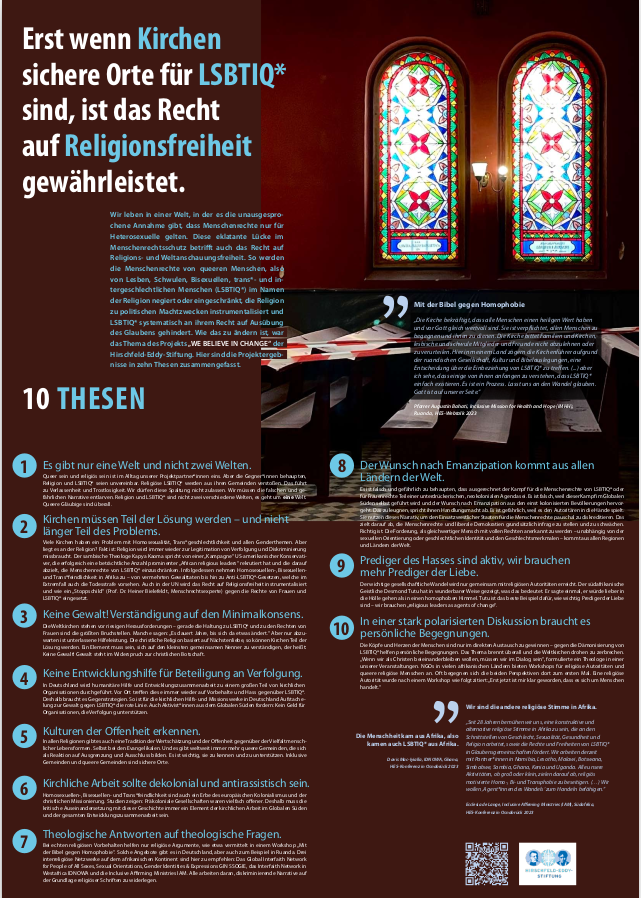
We live in a world in which there is an unspoken assumption that human rights apply only to heterosexual people. This glaring gap in the protection of human rights also applies to the freedom of religion and belief. It means that the human rights of queer people – lesbian, gay, bisexual, trans and intersex (LGBTIQ+) people ‒ are denied or restricted in the name of religion. It means that religion is instrumentalized for purposes of power, and that LGBTIQ+ people are systematically prevented from living their faith. How to change this situation was the focus of “We believe in change”, a project by the Hirschfeld Eddy Foundation. Here are the project’s main results, summarized in ten theses:
English
Download und kostenlose Bestellung es Posters hier
Wir leben in einer Welt, in der es die unausgesprochene Annahme gibt, dass Menschenrechte nur für Heterosexuelle gelten. Diese eklatante Lücke im Menschenrechtsschutz betrifft auch das Recht auf Religions- und Weltanschauungsfreiheit. So werden die Menschenrechte von queeren Menschen, also Lesben, Schwulen, Bisexuellen, trans*- und intergeschlechtlichen Menschen (LSBTIQ*) im Namen von Religion negiert oder eingeschränkt, die Religion zu politischen Machtzwecken instrumentalisiert und LSBTIQ* systematisch an ihrem Recht auf Ausübung des Glaubens gehindert. Wie das zu ändern ist, war das Thema des Projekts „We believe in change“ der Hirschfeld-Eddy-Stiftung. Hier sind die Projektergebnisse in zehn Thesen zusammengefasst:
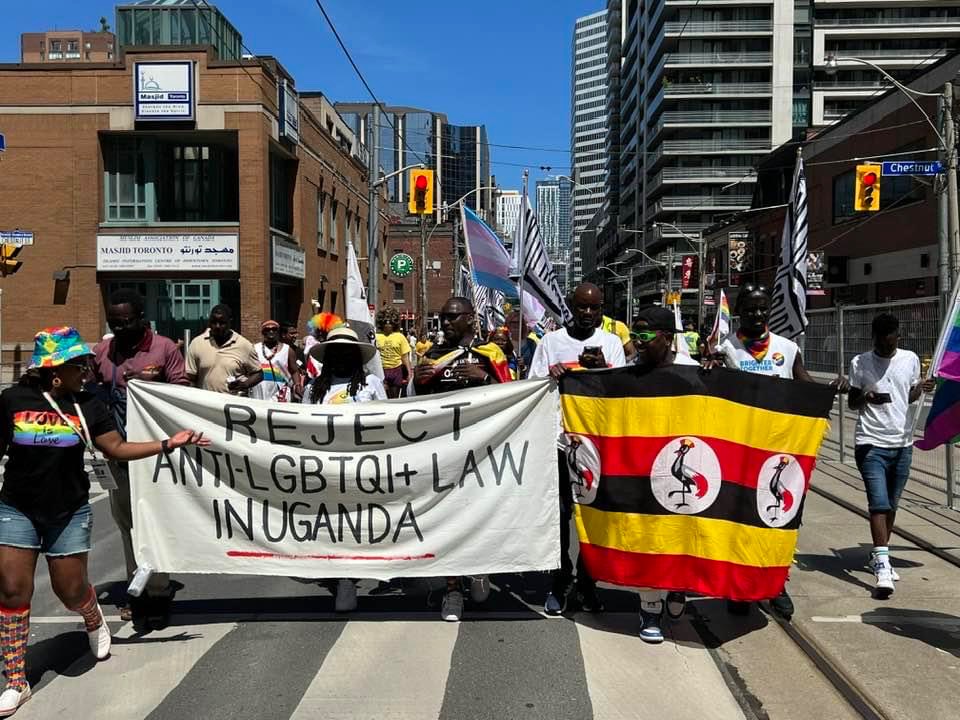
In March 2023, a group of Ugandan parents of LGBTIQ+ children published an open letter to Uganda’s president, Yoweri Museveni, imploring him not to sign into law the Anti-Homosexuality Bill which had been tabled in the country’s parliament.
Photo Gallery
Conference report (deutsch)
Invitation and Program
Intervention by X., activist from Uganda at the Hirschfeld-Eddy-Stiftung conference “We believe in change” at Kunsthalle Osnabrück on 7 Sep 2023
A talk with Ugandan LBQ+ activists
The relationship between religion and sexuality has been complicated throughout history. To date, religion is the basis on which many African countries and those within their borders have an anti-sexuality stance. Sexuality, more so sex, is taboo, one that shouldn’t be discussed. This lack of information for individuals and communally as a society means there are many misconceptions fuelled by religious morality.
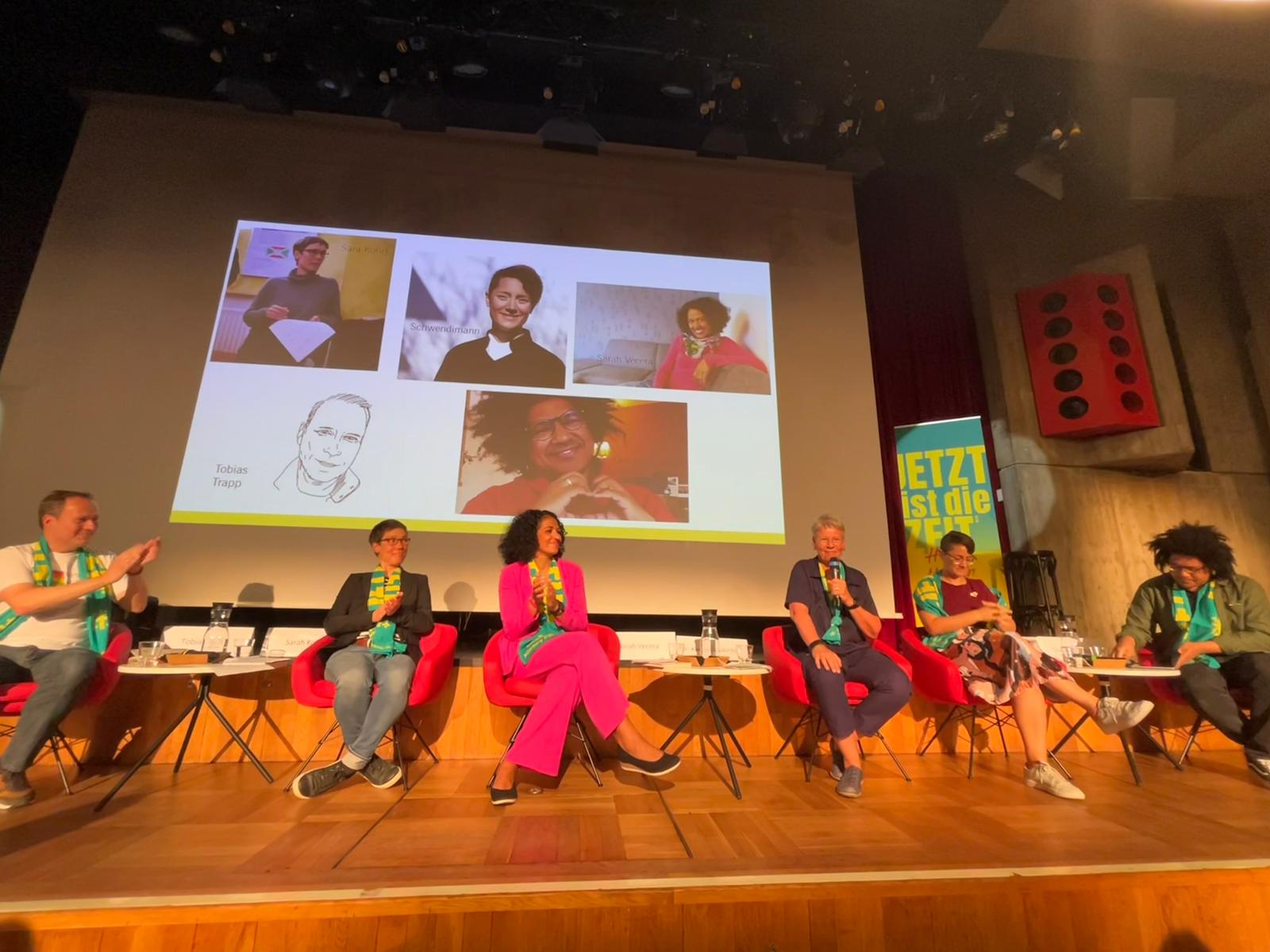
Opening statement by Sarah Kohrt from the Hirschfeld Eddy Foundation at the German Protestant Kirchentag in Nuremberg on 8 June 2023 for the podium discussion “Church as a safe® space for queerness”: A discussion between religious people of colour and queer people held by the Gender Worlds and Rainbow Center at the Langwasser community building, Glogauer Str. 50, 90473 Nuremberg.
Hintergrundbericht zur European Conference on African Studies 2023
Literaturliste: hier (PDF)
Religionsgemeinschaften beeinflussen Verhalten, Vorstellungen und Vorurteile, zudem üben sie gezielt Einfluss auf politische Machthaber aus. Die jüngsten Entwicklungen in Uganda im Kontext des neuen Anti-Homosexuellen-Gesetzes zeigen das beispielhaft. Geber von Entwicklungsgeldern an Kirchen wirken hier unheilvoll.
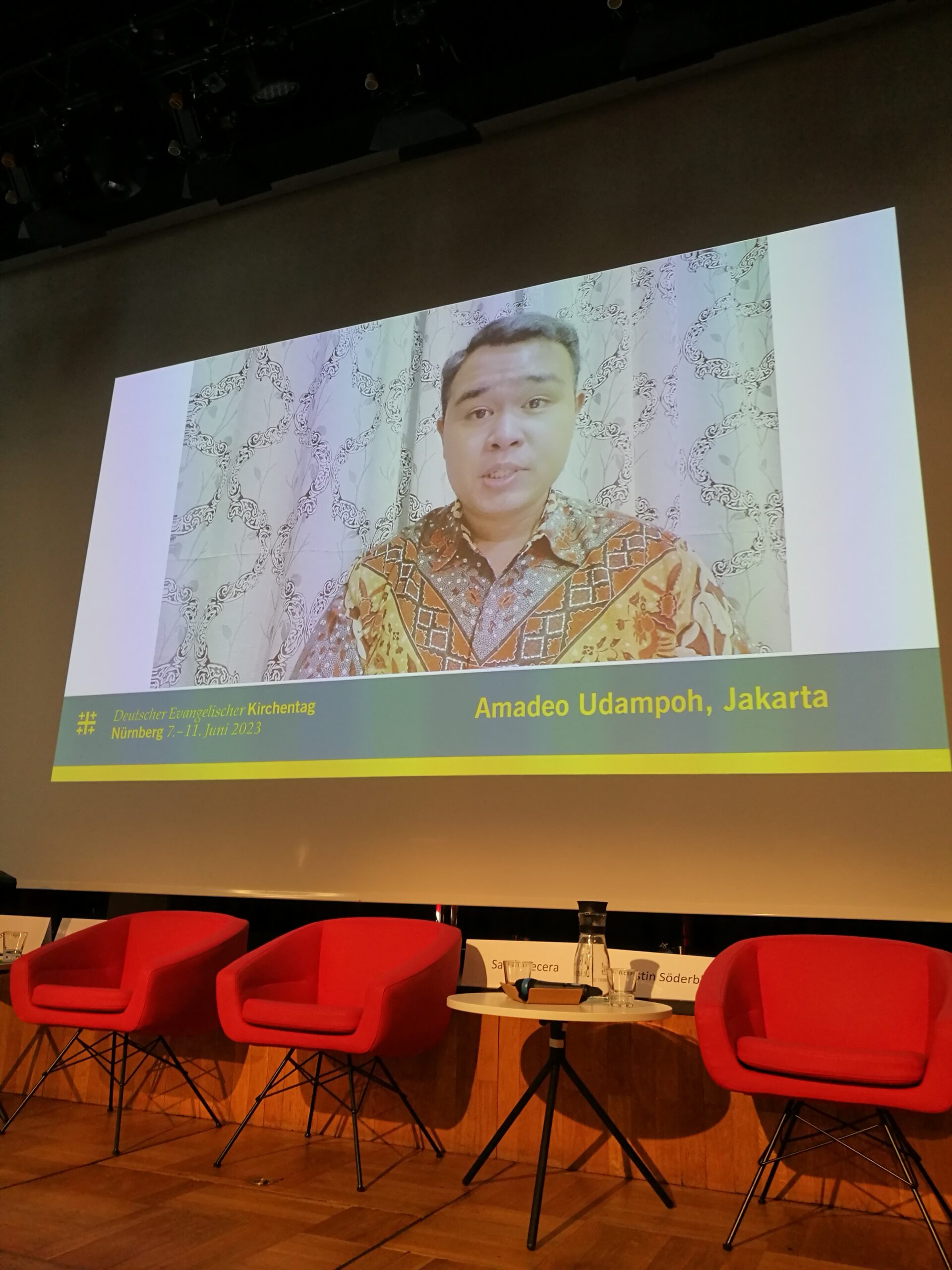
Eingangsstatement von Sarah Kohrt, Hirschfeld-Eddy-Stiftung beim Deutschen Evangelischen Kirchentag in Nürnberg am 8. Juni 2023, bei der Podiumsdiskussion im Rahmen der Geschlechterwelten/Zentrum Regenbogen „Sind Kirchen sichere Orte?“ Diskussion zwischen religiösen People of Color und queeren Personen im Gemeinschaftshaus Langwasser, Glogauer Str. 50, 90473 Nürnberg.
Stonewall UK, RFSL Sweden and the Dignity Network, Canada on the Do No Harm Principle in LGBTQI+ activism
LGBTQI+ communities are some of the most vulnerable in the world, even — or especially — when receiving support from non-governmental organizations.