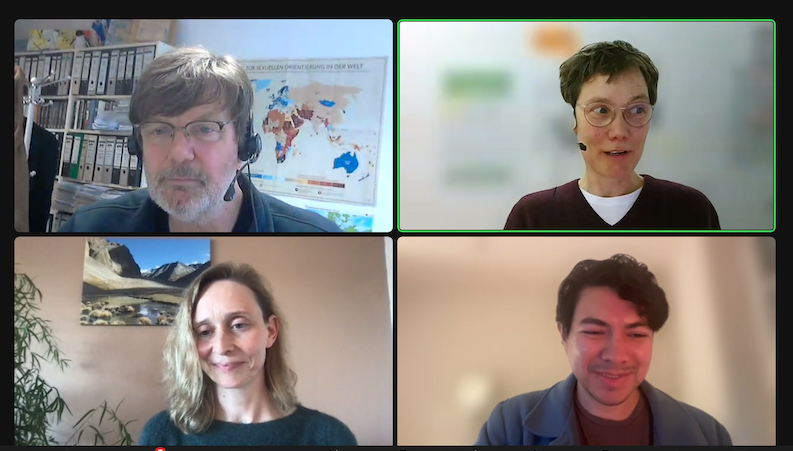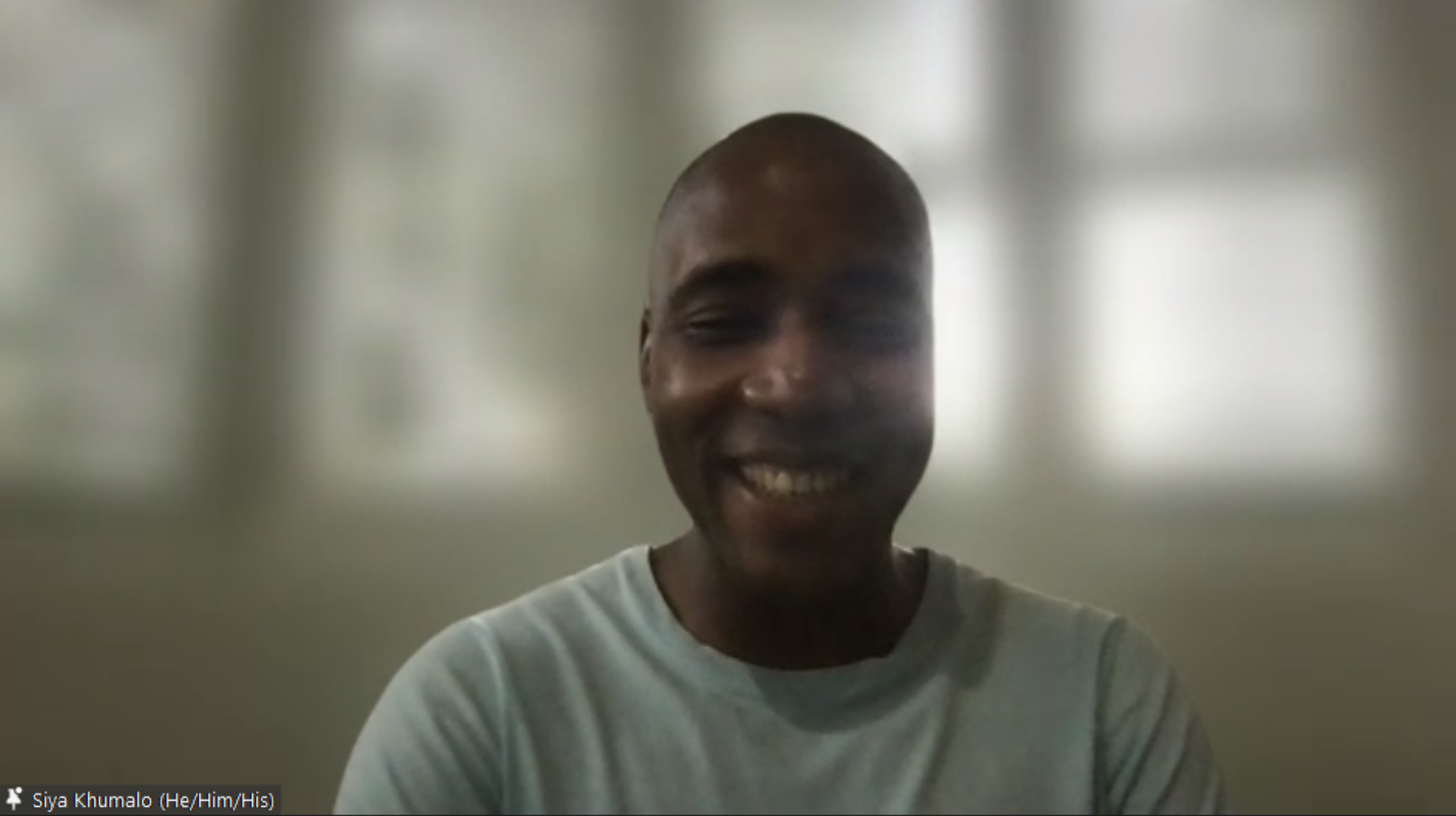
How can LGBTIQ+ activism be strengthened through cross-cultural perspectives? This question was at the center of the webtalk “Do We Need a Stronger Transnational Lens? LGBTIQ+ Activism in Moldova and Serbia”, hosted by the Hirschfeld–Eddy Foundation in January, 2026. Activists from Moldova and Serbia shared insights into their daily work, the growing pressure from organized counter-movements, and why international solidarity has become more crucial than ever.
English (Invitation)
Article (nur englisch)
Webtalk 16. Januar, 14:00 — 15:15 Uhr (MEZ)
Die Hirschfeld-Eddy-Stiftung lädt herzlich ein zum Webtalk „Brauchen wir eine stärkere transnationale Perspektive? LSBTIQ*-Aktivismus und Moldau und Serbien“.
Am 16. Januar von 14:00–15:15 Uhr diskutieren LSBTIQ*-Aktivist*innen aus Moldau und Serbien über aktuelle politische Entwicklungen und deren Auswirkungen auf ihre Arbeit. Im Gespräch mit Vertreter*innen von GENDERDOC‑M (Moldau) und Rainbow Ignite (Serbien) geht es u. a. um die Entwicklung von queerem Aktivismus, internationale Förderstrukturen, den Einfluss geopolitischer Akteur*innen und um Unterstützungsbedarfe vor Ort.
Webtalk Jan 16, 2–3:15 PM (CET)
The Hirschfeld-Eddy Foundation cordially invites you to the web talk “Do we need a stronger transnational lens? LGBTIQ+ Activism in Moldova and Serbia.”
On 16 January 2026, from 2:00 to 3:15 pm (CET), LGBTIQ+ activists from Moldova and Serbia will engage in a discussion on current geopolitical developments and their implications for LGBTIQ+ advocacy and activism. The conversation with representatives of GENDERDOC‑M (Moldova) and Rainbow Ignite (Serbia) will address the evolving landscape of queer activism, geopolitical influences, and the impact on the local level.
Keynote Julia Ehrt (Deutsch)
Einladung
Invite (English)
Keynote address by Dr. Julia Ehrt, Executive Director of ILGA World, at the international conference “Protecting queer human rights against global backlash – The responsibility of German development cooperation” an event organized in cooperation by Engagement Global in cooperation with the Heinrich Böll Foundation, and the Hirschfeld-Eddy Foundation at Berlin Global Village, 30 October 2025.
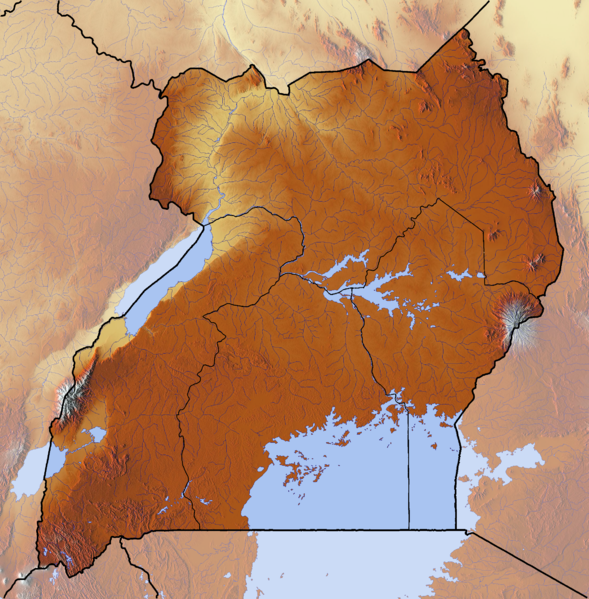
Faith* is a transgender woman, who, as a result of being persecuted because of her gender identity, fled Uganda for neighbouring Kenya. She now lives in Kenya’s Kalobeyei Refugee Camp. It is here where she can be found regularly handing out stationery — notepads, pencils, pens — to some of the camp’s children.
Einladung
Invite (English)
Keynote Julia Ehrt (english)
Keynote von Julia Ehrt, Geschäftsführerin von ILGA World bei der Internationalen Konferenz “Queere Menschenrechte schützen gegen den globalen Backlash – die Verantwortung deutscher Entwicklungszusammenarbeit”.
30. Oktober 2025, 16:00–19:00 Uhr, Berlin Global Village im Miriam Makeba Saal
Veranstaltet von Engagement Global in Kooperation mit der Heinrich-Böll-Stiftung und der Hirschfeld-Eddy-Stiftung im Rahmen des Programms Entwicklungsbezogene Bildung in Deutschland (EBD).
Keynote Julia Ehrt (english)
Einladung Deutsch
Keynote Julia Ehrt (deutsch)
When: 30.October 2025, 4:00–7:00 pm
Where: Berlin Global Village in Miriam Makeba Hall – Am Sudhaus 2, 12053 Berlin
An event organised by Engagement Global in cooperation with the Heinrich Böll Foundation and the Hirschfeld-Eddy Foundation as part of the Development Education in Germany (EBD) programme.
Warm invitation to the international conference ‘Protecting queer human rights against global backlash – What is the responsibility of German development cooperation?’
Keynote von Julia Ehrt (deutsch)
Invite (english)
Keynote Julia Ehrt (english)
Herzliche Einladung zur Internationalen Konferenz „Queere Menschenrechte schützen gegen den globalen Backlash — Was ist die Verantwortung deutscher Entwicklungszusammenarbeit?“
Wann: 30. Oktober 2025, 16:00–19:00 Uhr
Wo: Berlin Global Village im Miriam Makeba Saal – Am Sudhaus 2, 12053 Berlin
Eine Veranstaltung von Engagement Global in Kooperation mit der Heinrich-Böll-Stiftung und der Hirschfeld-Eddy-Stiftung im Rahmen des Programms Entwicklungsbezogene Bildung in Deutschland (EBD).
Am 31. Oktober 2000 verabschiedete der UN-Sicherheitsrat einstimmig die UN-Resolution zu Frauen, Frieden und Sicherheit, das war unter dem temporären Vorsitz Namibias – einer früheren deutschen Kolonie. Friedensaktivist*innen — vor allem zivilgesellschaftlich organisierte Afrikaner*innen — aus Kriegs- und Postkonfliktländern hatten jahrelang auf diese Resolution hingearbeitet. Denn sexualisierte Kriegsgewalt, insbesondere gegen Frauen, blieb auch nach dem Ende des Kalten Krieges ein Kampfmittel.